How to Start Doing Business in the Czech Republic as a Danish Company: What you need to know.
Mgr. Vojtěch Sucharda
29.11.2025 |
ARROWS law firm
Are you a Danish company planning to expand into the Czech Republic? This guide provides specific answers to your legal and commercial questions. As a leading Czech law firm in Prague, EU, we specialize in helping foreign clients navigate this process. While the Czech Republic is a safe European harbor, its legal and business culture can be surprisingly different from what a Danish manager expects. This guide outlines the critical steps and common pitfalls.
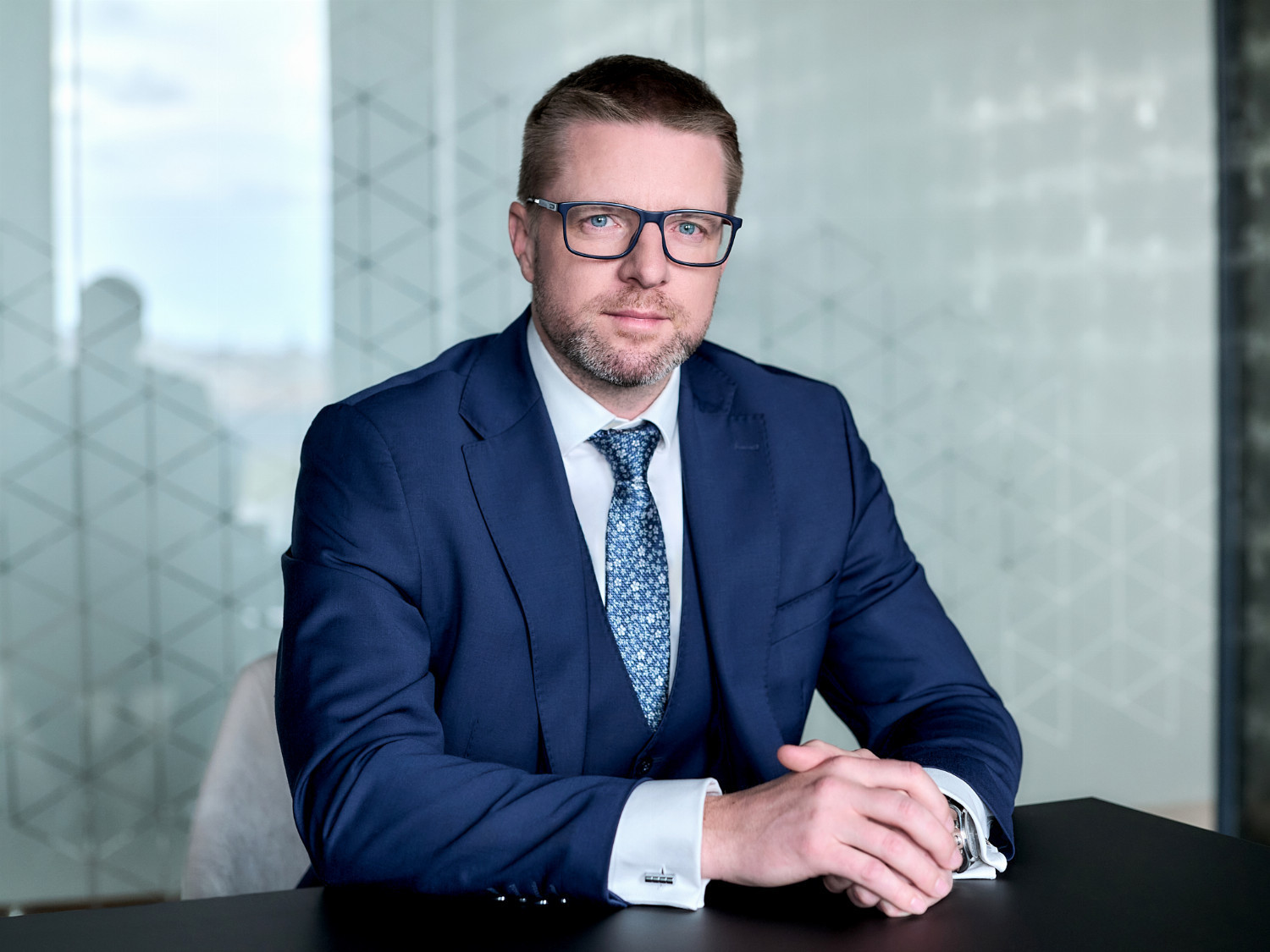
Need advice on this topic? Contact the ARROWS law firm by email office@arws.cz or phone +420 245 007 740. Your question will be answered by "Mgr. Vojtěch Sucharda", an expert on the subject.
Article contents
- The First Critical Choice: Your Czech Legal Structure
- Legal Entity Risks (s.r.o. vs. Branch)
- The "Danish ApS vs. Czech s.r.o." Cultural Mistake You Must Avoid
- The "Jednatel" – What Danish Managers MUST Know About Director Liability
- The Biggest Shock: Why Danish "Flexicurity" Fails in the Czech Republic
- Your Core Compliance Checklist (The "Non-Negotiables")
- How ARROWS Makes Your Czech Entry a Success
The First Critical Choice: Your Czech Legal Structure
Your first decision is the most strategic, as it defines your risk, liability, and local perception. While several options exist, foreign investors typically choose one of three paths.
The společnost s ručením omezeným (s.r.o.) is a limited liability company. It is the most common and popular legal form in the Czech Republic, ideal for small and medium-sized businesses and foreign subsidiaries. Its primary advantage is that it limits the liability of its owners (shareholders) for the company's debts.
The akciová společnost (a.s.) is a joint-stock company. This structure is more complex and suitable for large-scale operations or those that may eventually seek a stock exchange listing. It requires a high minimum share capital (CZK 2 million) and has significant administrative burdens, including a mandatory board structure.
The odštěpný závod (branch office) is not a new, independent company. It is legally considered an organizational component of your existing Danish parent company, registered to do business in the Czech Republic. This option may seem simple, but it carries enormous and often overlooked risks.
Why a Branch Office Is a High-Risk Path for a Danish Parent Company
Choosing between a separate company (s.r.o.) and a branch office is your most important financial and legal decision. An s.r.o. is a new, independent Czech legal entity, distinct from its Danish parent. A branch office is not a separate legal entity; it is merely an organizational extension of your parent company in Denmark. This distinction is critical for one reason: unlimited liability.
With an s.r.o., a "corporate veil" protects the parent company. If the s.r.o. incurs debts or faces a lawsuit, creditors can only claim the assets belonging to the Czech s.r.o.. Your parent company's assets in Denmark are safe.
With a branch office, your Danish parent company retains full and unlimited liability for all debts, contracts, and legal obligations incurred by its Czech branch.
This means if your Czech branch fails to pay a supplier, defaults on a large lease, or loses a major lawsuit, creditors can—and will—pursue the assets of your parent company back in Denmark. The perceived "simplicity" of a branch is a direct trade-off for infinite risk. For limiting financial exposure, the s.r.o. is unequivocally the superior choice.
We provide legal consultations to help you choose the right legal form and analyze your liability profile. Do not hesitate to contact our firm – office@arws.cz.
For detailed information about this legal service, click HERE.
Legal Entity Risks (s.r.o. vs. Branch)
|
Risks and penalties |
How ARROWS helps (office@arws.cz) |
|
Unlimited Parent Company Liability: The Danish parent company's assets are fully exposed to all debts, fines, and lawsuits of its Czech branch office. |
Legal Analysis: We analyze your business model to determine the safest legal structure. |
|
Cross-Border Litigation Risk: A legal claim against the branch can directly target the parent company's assets in Denmark, creating complex international legal battles. |
Representation in Court: We represent foreign companies in all Czech legal matters. |
|
Poor Commercial Perception: A branch may be perceived by local partners, banks, and landlords as less permanent or less committed than a fully established Czech s.r.o.. |
Contract Drafting: We draft robust contracts to protect your interests when dealing with local suppliers and partners. |
The "Danish ApS vs. Czech s.r.o." Cultural Mistake You Must Avoid
In Denmark, you are familiar with the Anpartsselskab (ApS), which requires a minimum share capital of DKK 40,000 (approximately €5,300). This is understood as a sign of a serious, well-funded, and credible business. The Czech s.r.o., by contrast, has a legal minimum share capital of just CZK 1 (less than one Euro cent). Many new investors see this and assume it is the standard.
While legally permissible, establishing a one-koruna company is a significant commercial mistake. Czech banks, potential landlords, and B2B suppliers will check the public Commercial Register. When they see a CZK 1 capital, they will not see an efficient setup; they will see a company that is unstable and has no financial backing.
This can directly prevent your new company from securing a business loan, leasing quality office space, or getting standard credit terms from suppliers. This is a classic "legal trap" where the law allows something that the local business culture firmly rejects.
Our lawyers provide legal consultations on market entry strategy that goes beyond the law, ensuring your business is commercially viable from day one. Get tailored legal solutions by writing to office@arws.cz.
How to Set Up Your Czech s.r.o.: A 5-Step Guide
Once you have decided on an s.r.o. with a credible share capital, the formation process is straightforward when handled by legal experts.
Step 1: Drafting the Foundation Deed (notářský zápis)
This is the company's Articles of Association. In the Czech Republic, this must be executed as a formal notarial deed. This document names the company, its registered office (sídlo), the founders, the director(s) (jednatel), and the share capital amount.
Step 2: Obtaining a Trade License (živnostenský list)
Before the company can be registered, it must obtain its right to do business from the Trade Licensing Office (Živnostenský úřad). For most Danish companies in IT, consulting, marketing, or services, a simple "unqualified free trade" (volná živnost) is all that's needed. This license covers over 80 activities and requires no proof of professional qualifications.
Step 3: Opening a Bank Account & Depositing Capital
You must open a special, temporary bank account to deposit the agreed-upon share capital. The bank provides a confirmation, which is required for registration. A permanent business bank account is also a practical necessity.
Step 4: Registration in the Commercial Register (Obchodní rejstřík)
All documents—the notarial deed, bank confirmation, trade license, and registered office consent—are filed with the Registry Court. The company legally comes into existence on the date it is officially entered into the register. Today, a notary can often perform this registration directly, which significantly shortens the timeline.
Step 5: Post-Registration Formalities
Within 15 days of registration, the new company must register with the local Tax Office (Finanční úřad). At this point, your mandatory Data Box (see Section 7) will also be activated.
ARROWS law firm handles the entire incorporation process, from drafting all required documentation to representation before public authorities and securing your registration. For immediate assistance, write to us at office@arws.cz.
FAQ – Legal tips about s.r.o. formation
- How long does s.r.o. registration take?
If all documentation is prepared correctly, the entire process can typically be completed within 10 to 15 business days. ARROWS is known for speed and high quality. Need legal help? Contact us at office@arws.cz.
- Can a Danish citizen be the only founder and director?
Absolutely. A Czech s.r.o. can be established by a sole founder and can be fully owned and managed by foreigners. Our lawyers are ready to assist you – email us at office@arws.cz.
- What documents do I need from Denmark?
You will typically need a valid passport and an extract from your Danish criminal record. ARROWS can help you manage all document requirements, including any necessary translations. Get tailored legal solutions by writing to office@arws.cz.
.png)
The "Jednatel" – What Danish Managers MUST Know About Director Liability
The director of a Czech s.r.o. is called a jednatel. This person—who may be you or another appointed manager—is the statutory body responsible for all day-to-day management and legal representation of the company.
As jednatel, you have serious fiduciary duties under Czech law that must be actively managed. The two most important are:
- Duty of Loyalty: You must always act in the best interests of the company and avoid any conflicts of interest.
- Due Managerial Care: You must manage the company with the information, diligence, and care that a prudent and reasonable person would in a similar situation.
These duties are not just theoretical. If the company faces financial distress, the jednatel has a personal, legal obligation to file an insolvency petition "without undue delay" after learning of the company's insolvency.
If you fail to do this—perhaps by trying to "trade through" the problem—the court can hold you personally liable for the company's debts. The s.r.o.'s limited liability will not protect you. This is a critical risk for any Danish executive taking this role.
We provide professional training (with certificates) for new directors on their duties under Czech law, and draft internal company policies to ensure compliance. Do not hesitate to contact our firm – office@arws.cz.
Director (Jednatel) Personal Liability Risks
|
Risks and penalties |
How ARROWS helps (office@arws.cz) |
|
Personal Liability for Company Debts: Failing to file for insolvency in a timely manner can make the director personally liable for the company's outstanding obligations. |
Legal Opinions: We provide urgent legal opinions on insolvency status and director obligations. |
|
Breach of "Due Managerial Care": Making uninformed, negligent, or disloyal decisions that harm the company can lead to personal liability for damages. |
Legal Consultations: We advise directors on their duties to ensure they act with the required "due managerial care." |
|
Director Disqualification: A court can prohibit a director who breaches their duties from holding any executive office in any Czech company, effectively ending their corporate career here. |
Preventative Legal Advice: We help you draft documentation and internal procedures to prevent fines and penalties before they happen. |
The Biggest Shock: Why Danish "Flexicurity" Fails in the Czech Republic
If you only read one section of this guide, make it this one. The operational and financial consequences of misunderstanding Czech labor law are severe. The Danish labor market is world-famous for its "flexicurity" model. This gives employers high flexibility to hire and fire, balanced by a strong social safety net for employees.
The Czech Labour Code is the opposite. Czech labor law is "strict" and "highly protective towards employees," whom the law considers the vulnerable party. What you consider normal "managerial discretion" in Denmark is legally irrelevant and often unlawful in the Czech Republic.
The biggest shock for Danish managers is this: "at-will" employment does not exist.
You cannot fire an employee without a specific, legally-defined reason. These reasons are limited to categories like gross misconduct, proven redundancy, or repeated, documented breaches of duties. Simply "not being a good fit" or "underperforming" is not a valid legal reason for termination.
Furthermore, any deviation from the rigid, statutory procedures for termination—such as a missed deadline or an improperly worded warning letter—can invalidate the entire dismissal. This exposes your company to a wrongful termination lawsuit, financial penalties, and reputational damage.
All employment contracts must be in writing. A standard two-month notice period is mandatory, and redundancy requires a specific formal process and mandatory severance pay. Using your Danish employment contract template in the Czech Republic is one of the most expensive mistakes you can make.
Our team drafts all legally required documentation, including employment contracts and internal policies for redundancy, to prevent costly labor disputes. We also offer professional training for your HR managers. For immediate assistance, write to us at office@arws.cz.
FAQ – Legal tips about Czech Employment Law
- What is the main difference from Danish "flexicurity"?
Termination. In the Czech Republic, you cannot fire an employee "at-will." You must prove a specific, legal reason like redundancy or gross misconduct. We provide drafting documentation for valid termination. Need legal help? Contact us at office@arws.cz.
- Can I pay my Czech employees in EUR?
Yes, this is a recent positive development. Recent "flexi-amendments" to the Labour Code allow employers and employees to agree on payment in a foreign currency. This must be correctly drafted in the employment contract. Get tailored legal solutions by writing to office@arws.cz.
Your Core Compliance Checklist (The "Non-Negotiables")
Once your company is formed, you must comply with several key administrative systems. Ignoring them can lead to fines or default judgments.
- The Data Box (Datová schránka)
This is a mandatory national system for official electronic communication. It is automatically set up for all legal entities, including your new s.r.o.. This is the trap: All official communication from the tax office, courts, and public authorities will only be sent to this Data Box. A document is considered legally "delivered" 10 days after it arrives in your Data Box, even if you never log in, open it, or read it. Missing a court summons or tax deadline in an unread message can have severe consequences. - GDPR and Data Privacy
As a member of the European Union, the Czech Republic strictly enforces the General Data Protection Regulation (GDPR). You must have a lawful basis for all personal data processing and comply with all cookie consent rules. - UBO Register
You must identify and register your company's Ultimate Beneficial Owner(s) in the Czech UBO Register. Failure to file, or providing incorrect data, can result in fines up to CZK 500,000 (approximately €20,000).
ARROWS provides legal consultations to prevent inspections or penalties and drafts all internal policies for GDPR compliance. For immediate assistance, write to us at office@arws.cz.
Your Czech Tax and Finance Overview
Your Czech s.r.o. will be subject to the following key financial obligations.
- Corporate Income Tax (CIT)
The corporate income tax rate in the Czech Republic is a flat 21% on your company's profits. - Payroll Contributions (The "Hidden Cost")
This is a critical factor for your financial planning. On top of an employee's gross salary, the employer is obligated to pay an additional 33.8% of that gross salary. This amount is broken down into 24.8% for social security and 9.0% for health insurance. This significantly impacts your total cost of employment and must be included in your budget. - Double Taxation Treaty (DTT)
There is good news for financial planning. A comprehensive Double Taxation Treaty is in force between the Czech Republic and Denmark. This agreement prevents your profits from being taxed twice—once in Prague and again in Copenhagen. The treaty provides favorable withholding tax rates on dividends, interest, and royalties, which are often 0% for interest and 0% or 10% for royalties.
How ARROWS Makes Your Czech Entry a Success
We are a leading Czech law firm based in Prague, European Union, with deep and specific experience guiding foreign clients through the complexities of the Czech market. We currently support over 250 limited liability companies and 150 joint-stock companies with their ongoing legal needs.
As a Danish company, your affairs are inherently multinational. Our ARROWS International network, built over 10 years and active in 90 countries, ensures you receive seamless, high-quality legal support for all your cross-border matters.
We are not just incorporators; we are long-term strategic partners. Our full-service support includes:
- Drafting all legally required documentation (employment contracts, internal policies).
- Representation in court and before public authorities.
- Legal opinions on complex matters, such as jednatel liability.
- Professional training for your new management team (with certificates).
- Help with obtaining licenses and regulatory approvals.
We are known for our speed, high quality, and business-minded approach. We welcome innovative business ideas and can even connect clients with mutual business or investment interests.
Entering the Czech market is a significant strategic move. Let us ensure it is done right, protecting you from risk and setting you up for success. Our lawyers are ready to assist you – email us at office@arws.cz.
FAQ – Most common legal questions about doing business in the Czech Republic
1. Can a foreigner (Danish citizen) be the sole director of a Czech s.r.o.?
Yes. As an EU citizen, you can be a founder, shareholder, and director (jednatel) under the same conditions as a Czech citizen. We can handle the entire registration for you. Need legal help? Contact us at office@arws.cz.
2. Do I need a visa to set up a company in the Czech Republic?
No. As a citizen of Denmark (an EU member state), you have the right to do business in the Czech Republic under the same conditions as Czechs and do not require a special business visa. Do not hesitate to contact our firm – office@arws.cz.
3. What is the corporate income tax rate for an s.r.o.?
The corporate income tax (CIT) rate in the Czech Republic is 21% of your company's profits. For questions on tax structuring, get tailored legal solutions by writing to office@arws.cz.
4. What is a "free trade" license?
A "free trade" (volná živnost) is an unqualified trade license. It requires no proof of professional competence and covers over 80 activities, such as consulting, IT services, and marketing. Our lawyers are ready to assist you – email us at office@arws.cz.
5. Do I physically need to be in Prague to manage my s.r.o.?
No, foreigners can fully own and manage an s.r.o. from abroad. However, your company must have a registered address in the Czech Republic and a jednatel (who can be you) responsible for its operation. For assistance, write to us at office@arws.cz.
6. What is the biggest mistake foreign companies make?
Underestimating local laws. Many firms use foreign templates for employment contracts or assume their home country's "at-will" firing rules apply. This leads to invalid agreements, non-compliance, and costly legal disputes. We draft all documentation to be fully compliant. Need a legal review? Contact us at office@arws.cz.
Don't want to deal with this problem yourself? More than 2,000 clients trust us, and we have been named Law Firm of the Year 2024. Take a look HERE at our references.
Disclaimer: The information contained in this article is for general informational purposes only and serves as a basic guide to the issue. Although we strive for maximum accuracy in the content, legal regulations and their interpretation evolve over time. To verify the current wording of the regulations and their application to your specific situation, it is therefore necessary to contact ARROWS Law Firm directly (office@arws.cz). We accept no responsibility for any damage or complications arising from the independent use of the information in this article without our prior individual legal consultation and expert assessment. Each case requires a tailor-made solution, so please do not hesitate to contact us.
Read also
- How to Open a Company or Branch in the Czech Republic as a Hungarian Business:
- Setting Up a Czech Subsidiary: Key Legal and Tax Considerations:
- How to Set Up a Company or Branch in the Czech Republic for Norwegian Businesses Legal Basics and Practical Tips:
- How to Build a Corporate Presence in the Czech Republic as a Greek Company: A Clear Roadmap:
- Reorganising Your EU Group Structure Why the Czech Republic Might Be the Right Jurisdiction: