Czech trust funds, family foundations and succession planning
Law Firm
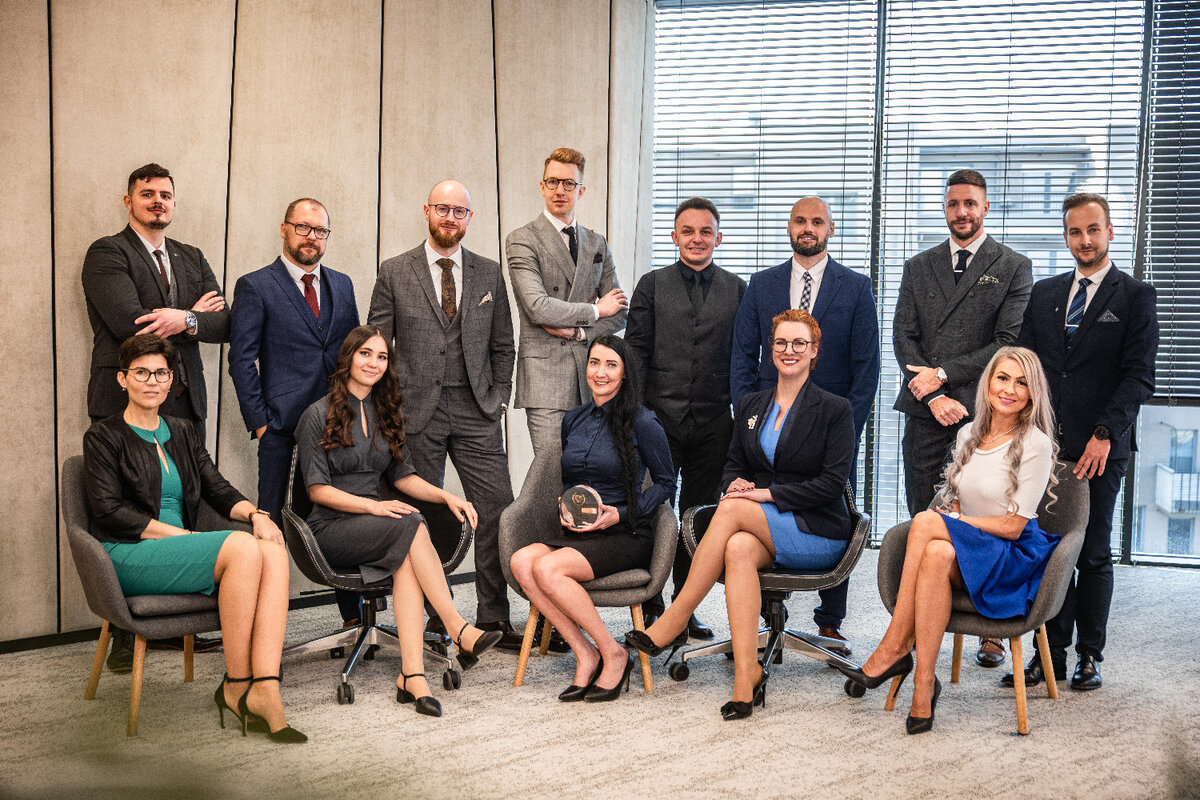
Why choose ARROWS for your family wealth structure?
Family and business in one conversation. Succession is not only a legal exercise but also a matter of family dynamics. Behind a table of shareholdings there are relationships between siblings, parental expectations and sometimes old grievances. Our structures are therefore not only legally sound but also workable for the people in them.
Part of ARROWS International. Families today hold assets and have relatives in several countries. We coordinate trusts, foundations and succession across jurisdictions and make sure that rules set in one country do not meet a tax surprise in another.
A structure designed for decades, not for one term of office. We set up the control mechanisms – protector, supervisory board – so that the structure keeps operating according to your intentions even when you are no longer able to oversee it personally.
One point of contact in Prague. You deal with one partner who reports in English and holds the Czech, tax and corporate strands of the project together.
Contact us if:
You are planning a generational handover of a Czech business: You want to pass the company to your children but have not yet decided to whom, when and on what terms.
You want to ring-fence family wealth from business risk: A trust fund or foundation shields family assets from disputes, enforcement or a divorce on the business side of the family.
You are a non-Czech founder setting up a Czech structure: Czech trust funds are regularly established by founders resident elsewhere in the EU – we have done it repeatedly.
A large inheritance is approaching: You want the transfer structured before it happens, not litigated afterwards.
You want clear rules between siblings and future generations: A family constitution defines who may work in the business, how decisions are taken and how disputes are resolved before they arise.
You are preparing to sell the family company: You want the proceeds secured for several generations rather than dissolved in a single distribution.
Strong track record and the trust of market leaders:
We have built legal structures for companies and their owners for more than 2,000 clients. Our expertise is regularly confirmed by the Czech Law Firm of the Year award and by Legal 500. We treat succession and asset protection as a long-term commitment rather than a one-off instruction.
Do not leave the future of your family wealth to chance, or to how well the family happens to get along today. Book a no-obligation consultation in English, in which we will go through your family and asset situation.
A) Czech trust funds and asset protection
A Czech trust fund works in a straightforward way: the property ceases to belong to you or to anyone else and becomes part of a fund administered by a trustee according to the rules you set. Creditors, a divorcing spouse and a dispute between heirs cannot reach it – while the statute of the fund lets you keep control over who receives distributions and on what conditions. Unlike a common-law trust, the Czech trust fund has no legal personality of its own, which is the point most foreign founders need explained first.
Setting up a Czech trust fund: We segregate assets out of your ownership into a fund administered under its statute, beyond the reach of future creditors, divorces or disputes between heirs.
Mistakes to avoid: The drafting errors that make a fund fail exactly when it is needed.
Drafting the statute of the fund: We set the rules on who may draw from the fund, when and on what conditions, and who administers it.
Choosing the trustee and the protector: We build in control mechanisms so that the trustee can never act against the family’s interests.
Contributing shares, real estate and other assets: We make sure the contribution is executed cleanly, without tax complications or unnecessary risk to your business.
Review of existing funds: We also review funds established earlier or elsewhere where they have stopped serving their purpose or need to reflect a new family situation.
B) Family foundations
A foundation suits situations where you want not only to protect the assets but to tie them permanently to a defined purpose – supporting the family, philanthropy, or both. Unlike a trust fund, a foundation is a separate institution with its own name and its own property: somewhat more formal, but more credible externally, for instance towards banks or commercial partners. Czech law requires aggregate contributions of at least CZK 500,000 before the foundation comes into existence.
Trust fund or foundation: Which of the two instruments fits your objective, and why the choice is hard to reverse later.
Tax structuring of family funds and foundations: The tax exposure to check before the structure is set, not after.
Establishing a family foundation: We prepare the founding deed and the endowment, and define precisely the purpose the foundation is to serve.
Setting up the foundation’s bodies: Board of directors, supervisory board or auditor – we choose the control mechanisms so that the foundation operates transparently and according to your intentions a generation later.
Combining a foundation with an operating business: We connect the foundation to a holding structure so that it holds the key assets while the company remains free to grow and trade.
Amendments and review of existing foundations: We adjust the founding documents to the changing needs of the family or of a new generation in management.
C) Family constitution and governance
A family constitution is an agreement the family writes for itself – who may work in the business, how decisions are taken and what happens when a dispute arises. It is not an official form but the most effective way of preventing conflict before it starts. It is not in itself an enforceable legal document, which is why we link it to instruments that are: the shareholders’ agreement and the articles of association.
Drafting the family constitution: Rules on family members entering and leaving the business, decision-making processes and dispute resolution mechanisms.
Setting up a family council: Who in the family has a voice in strategic decisions, and how votes are taken.
Rules for siblings and future generations: Who may work in the business, on what terms, and how unequal involvement of individual branches of the family is handled.
Alignment with the shareholders’ agreement: We reconcile the family rules with the formal corporate documents so that they are genuinely enforceable.
D) Succession and transaction readiness
Handing a company to the next generation cannot be done in a week – it is months of work rather than a single signed agreement. We therefore plan succession well in advance and build on experience from transactions we have taken all the way to signing. For international families this also means checking, jurisdiction by jurisdiction, how the Czech structure will be treated where the assets and the beneficiaries actually are.
Holding structures and beneficial ownership: How the holding layer sits under the fund or foundation, and what must be registered.
Tailored succession plan: We identify who in the family will run the company, who will remain only an owner, and build the structure accordingly.
Transfers of shares, by gift or for consideration: Gifting or selling shares between generations, including assessment of the tax consequences.
Preparing for a sale to a third party: Where the family does not wish or is unable to continue in business, we prepare the company for the transaction so that the proceeds remain secured for several generations.
International family structures: For families with assets or members abroad we coordinate succession across jurisdictions through the ARROWS International network.
The route to secure succession (our process)
No theoretical memoranda. We work in clear steps, focused on the result still working a generation later.
Analysis of the family and asset situation: We map the assets, the family relationships and any conflicts that could complicate succession.
Proposed structure: We recommend whether the answer is a trust fund, a family foundation, a family constitution, or a combination of them.
Implementation and documentation: We prepare the founding documents, statutes and agreements so that they are legally watertight and acceptable to the whole family.
Long-term supervision: Implementation is not the end. We monitor that the fund or foundation operates as planned once the next generation takes over.
Our specialists for you
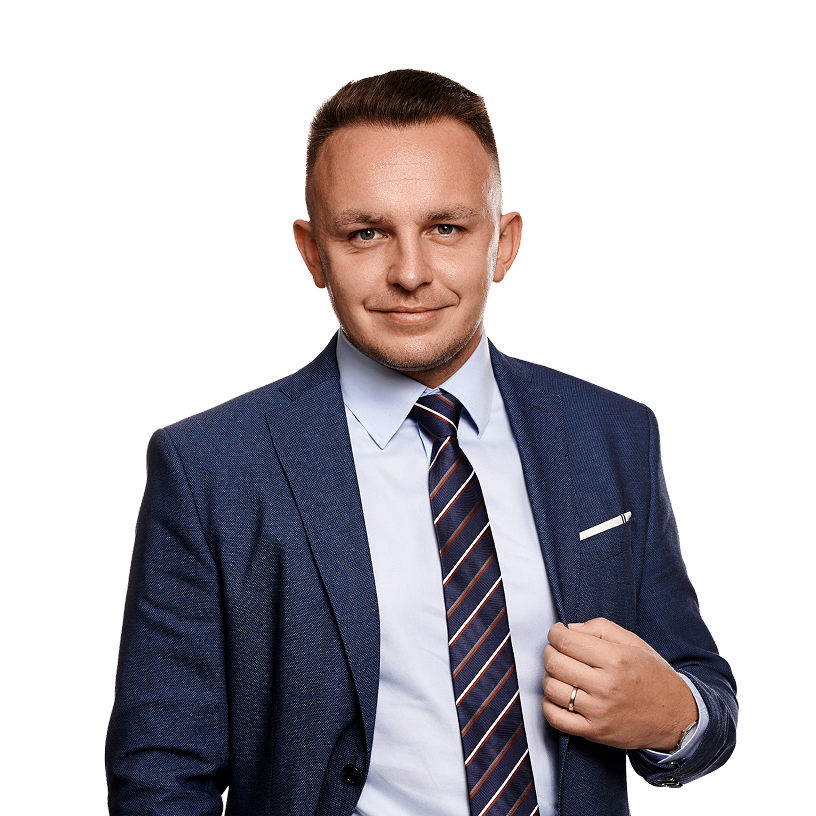
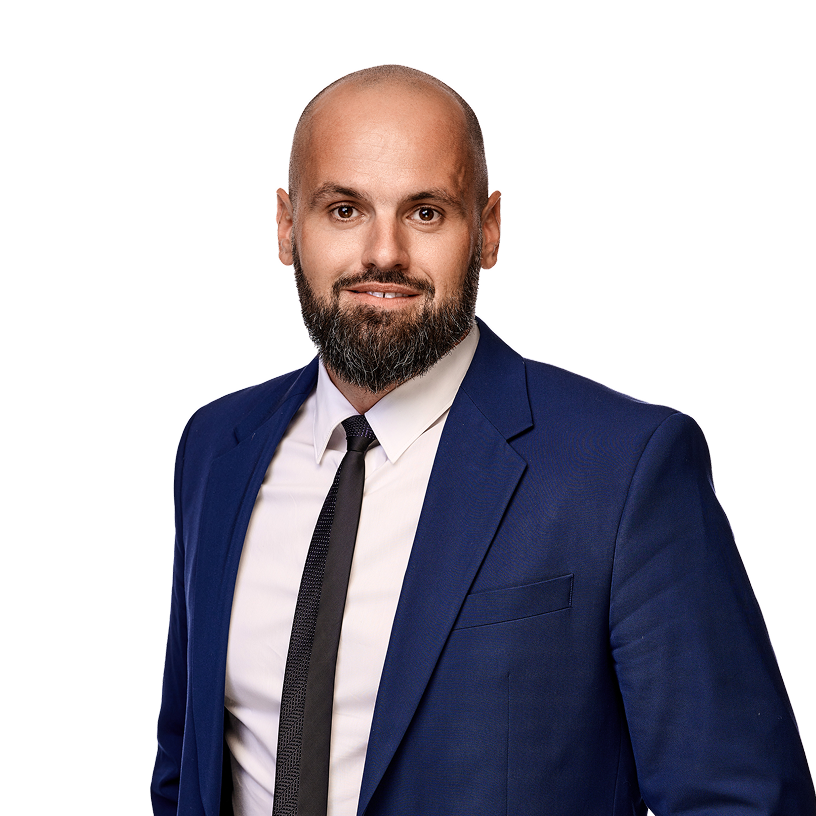
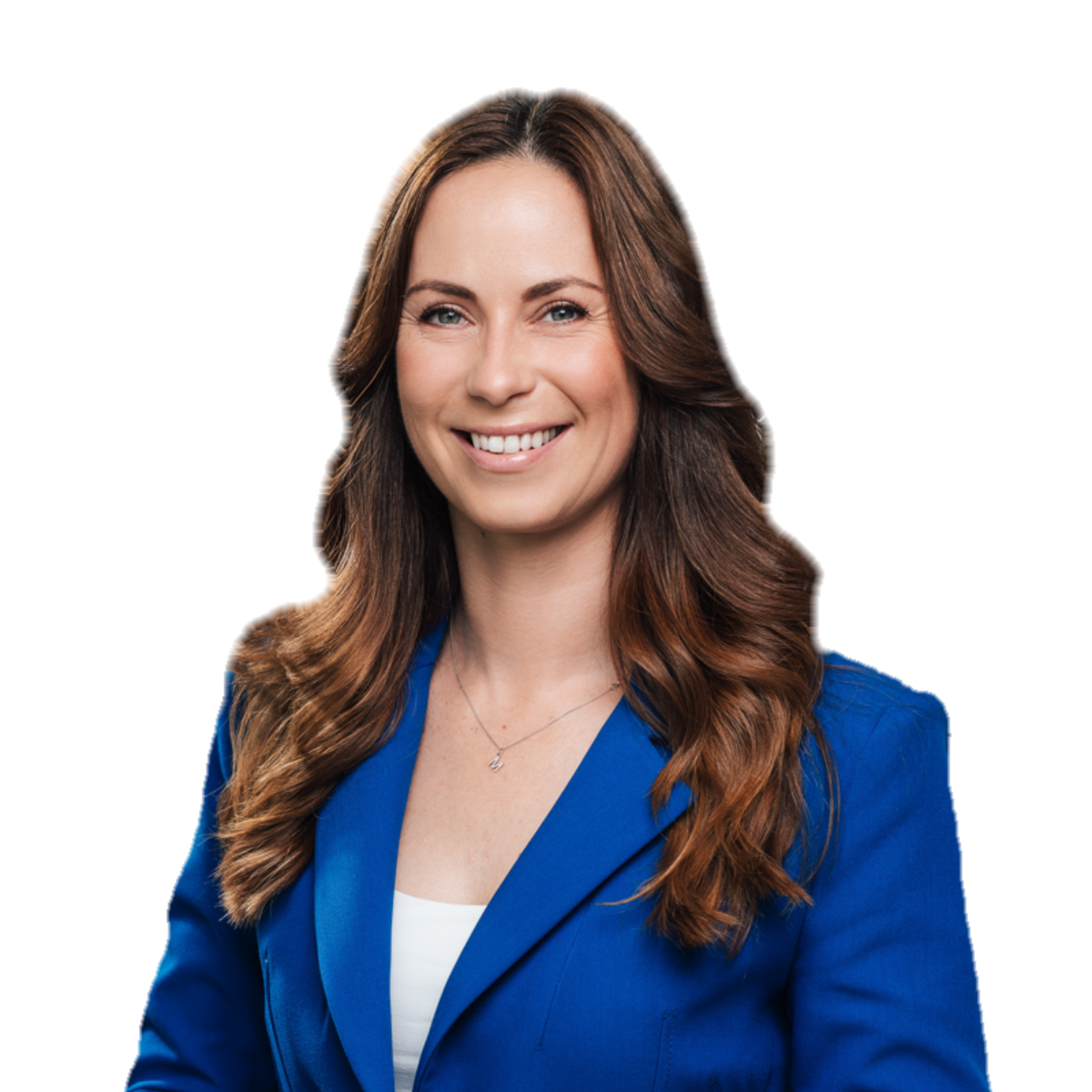

Our team combines corporate law, transactional practice and tax advice – we therefore treat succession not as the drafting of a document but as a project that has to work in the reality of your family.
Read our experts' articles

Corporate Interest and Spousal Community Property
A shareholding that a spouse acquired during the marriage forms part of the spouses' joint property in terms of its value, but only that spouse is the shareholder. After the shareholder's death the share passes to the heirs; the surviving spouse becomes a shareholder only as an heir, while the settlement of the joint property deals only with the value of the share. The lawyers of ARROWS advokátní kancelář set up the contracts so that the company knows who will take control.

Inheriting a Business Share: Legal Essentials for Successors
When a shareholder of a limited liability company dies, the shareholding passes to the heir unless the articles of association provide otherwise. An heir whom the other shareholders do not want can therefore enter the company without their consent and without any preparation. The lawyers of ARROWS advokátní kancelář amend the articles so that the transfer is prohibited or restricted and the heir receives a fair settlement.<br>

How to retain control over a trust when you are no longer the owner of the assets
A founder maintains control over a trust fund through its statute, the right to appoint and dismiss the trustee under Section 1455 of the Civil Code, supervision under Section 1463, and judicial instruments under Section 1466. Lawyers from the Prague-based ARROWS law firm also describe the line beyond which legitimate control becomes a risk. You will find specific answers here.
What happens to a company when a partner dies: Inheritance, company management and the business share
The death of a partner does not stop a company only emotionally: the business share becomes part of the estate, and the company may be left unable to make decisions for months. In an s.r.o. (LLC), the memorandum of association may exclude the transfer of the share to the heir(s); in a joint-stock company, the law prohibits such an exclusion. This guide summarises what happens to the share, who runs the company during the inheritance proceedings and what options you have: continuing the business, being paid out, or selling.

Protecting Family Assets from OSVČ Business Risks Under Czech Law
If you run a business as a sole trader without a marital property agreement, creditors can seize family savings, real estate or your spouse's accounts during enforcement, since everything falls into joint marital property. Learn how to separate family wealth from business risk.
Czech Foundations as Holding Parents
A foundation can hold shares in a family business so that ownership does not automatically split among heirs by law after your death, and dividends from the subsidiary may be tax-exempt. Find out how to set up the structure safely and what to avoid.

Trust or foundation fund
Both a trust fund and a foundation fund can separate your assets from personal liability, keeping them out of reach of creditors in bankruptcy or enforcement proceedings – but they work differently, and a poorly drafted founding deed can easily undo the protection. Find out how they differ and which option fits your situation.
Conditions in the Will of an Entrepreneur
Today you can make an inheritance conditional, time-limited, or tie it to instructions on how an heir must run the company, but the condition has to be clear and achievable, or a court will simply disregard it. The most common mistake is a vague clause like "manage the company honestly," which can't be enforced. Find out how to phrase conditions and instructions so they actually hold up in probate.

How to Draft a Will
A will becomes invalid the moment you print it from a computer and just sign it by hand, or when it's missing a second witness. We explain the three forms of will Czech law recognises and how to avoid mistakes that make a last will unenforceable.
Family Foundations and Trust Funds 2026
Family foundations and trust funds are popular tools for asset protection, which entrepreneurs use to avoid probate proceedings as well as family disputes. However, if you do not set up the funds correctly or align the distribution rules with tax laws, you risk additional tax assessments and penalties. In this article, we will show you specific tax boundaries and how to navigate this complex area safely.

Thanks to our clients
since 2015 we have been recognised in the Law Firm of the Year, Law Offices of the Year and Legal500 categories.
Join the clients who trust us


We are trusted by e.g. the Czech Ice Hockey Association, MONETA Money Bank and dozens of real estate agencies.